
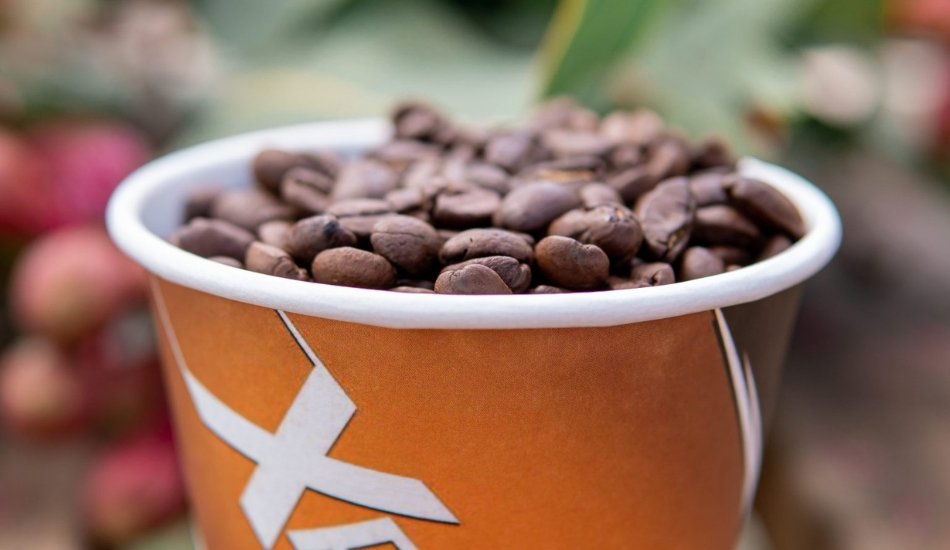
From Bean to Van: How Xpresso Coffee’s Mobile Cafe Sources and Roasts Its Beans
The coffee in your cup at a Marsden Park business park has been travelling for the better part of a year before a barista touches it.
The short version: Xpresso’s beans are sourced directly from farmer co-operatives in Brazil, India and Papua New Guinea, roasted in-house at Xpresso’s own roasting rooms by a roaster with two decades in specialty coffee, and blended into a sharp, full-bodied, medium-dark roast graded 85+. That chain origin, roastery, van is the whole reason a mobile cafe can serve coffee that holds up against a shopfront.
Here’s what each stage does, and why it matters by the time it reaches you.
Where The Journey Starts And Why It Reaches Your Cup
At origin, with a decision most drinkers never see.
Almost everything that determines whether a coffee is good is settled before it’s roasted. Altitude, varietal, when the cherry is picked, how it’s processed and how carefully it’s sorted those are origin decisions. A roaster can honour good green coffee or ruin it, but can’t invent quality that isn’t there. Which is why where the beans come from, and who you buy them from, is the part that matters most.
What Bean To Van Actually Describes
Three stages: sourced, roasted, served.
Worth being clear about what that phrase means and doesn’t. It doesn’t mean the van is a roastery nobody roasts in a car park. It means the coffee isn’t drifting through a long anonymous supply chain before someone tips it in a hopper. Xpresso roasts its own blend rather than buying in whatever a wholesaler had in stock, and the same operation that decides the blend also runs the roast.
Why A Shorter Chain Shows Up In The Coffee
Because every handover is a chance to lose control of the outcome.
Buy roasted coffee off a wholesaler and you inherit their choices their profile, their freshness, their substitutions when a lot runs out. Source your own green beans and roast them yourself and those variables are yours. That’s the practical argument for the whole setup, and it’s less romantic than the marketing usually suggests: it’s about control, not craft for its own sake.
Where Xpresso’s Beans Come From And Why It Buys Direct
Brazil, India and Papua New Guinea bought straight from the growers.
The beans are sourced directly and ethically from farmer co-operatives across those three origins. That word “directly” is the one doing the work: it means buying from the co-operatives that represent the growers rather than picking up the cheapest available lot through a chain of middlemen.
What Buying From Farmer Co-Operatives Means
Growers who are paid properly, and a supply the roaster actually knows.
A co-operative pools smallholder farmers so they can sell together, meet quality standards and negotiate a fairer price than any of them would get alone. Buying direct from them is both an ethical position and a practical one it supports sustainable farming and fair wages, and it gives the roaster a known, consistent green coffee to build a blend around rather than a mystery bag that changes every season.
Why Fair Wages Produce Better Cherries
Because picking selectively costs money.
This is the part that connects the ethics to the cup, and it’s mechanical rather than sentimental. Coffee cherries on a single branch don’t ripen together. Picking only the ripe ones means multiple passes and more labour; stripping the branch in one go is faster, cheaper, and puts underripe fruit in the bag. Underripe fruit tastes green and sour, and no roast fixes it. Pay growers properly and selective picking becomes viable. The ethics and the quality aren’t in tension they’re the same decision.
How That Reaches The Roaster
As green coffee, graded and scored.
Green beans arrive unroasted and stable that’s why coffee travels as green, not roasted. Somewhere in that process it’s cupped: trained assessors score aroma, flavour, acidity, body and balance on a 100-point scale. The trade’s working line is 80 below it is commodity, above it is specialty. Xpresso’s blend is built from 85+ point beans, which clears that threshold rather than scraping over it.
How The Roasting Works
In-house, by someone who’s been doing it for two decades.
Xpresso roasts at its own roasting rooms rather than outsourcing to a wholesaler, and the roaster behind the blend has twenty years in specialty coffee. The result is a specific, repeatable target: a sharp, full-bodied, medium dark roast built for espresso and designed to hold its shape through milk.
Why In-House Rather Than Wholesale
Because the roast is dialled for this blend and no one else’s.
A wholesaler roasts for a market. A roastery serving its own blend roasts for a specific outcome: espresso, through milk, at volume, from a van. Those are different briefs, and they produce different coffee. It also means the profile doesn’t quietly change when someone else’s stock rotates the blend a van pours in Marsden Park is the same blend the network built and stands behind.
What Two Decades Behind A Roaster Buys
Judgement that no spec sheet replicates.
Roasting is a craft of small corrections. Green coffee behaves differently batch to batch moisture content, density and age all shift, and the same recipe on the same machine won’t land the same way twice. A few seconds either side of a development window changes the whole cup: short and it’s sour and grassy, long and the sweetness bakes out into something flat. Twenty years is roughly how long it takes for those corrections to stop being calculations and become instinct. The consumer facing result is unglamorous and important: the flat white tastes the same in July as it did in February.
What Ends Up In Your Cup And How To Taste It
A medium dark specialty blend, and the full range of a coffee shop.
From that one blend the van pours the complete range of hot and cold drinks you’d find in a traditional café, along side specialty teas and locally sourced treats all in BioPak cups so the chain doesn’t end in landfill.
What To Order To Judge It
A short black first, then a flat white.
The short black shows you what the roast is actually doing sweetness, body, whether the finish is clean or ashy. The flat white shows you whether the blend has the backbone to come through milk, which is what most people are really buying. A van that passes both isn’t a van serving coffee. It’s a café that drives.
Where To Find The Van
Marsden Park and roughly ten kilometres around it.
Weekdays it’s workplace stops at Sydney Business Park and the local industrial zones; beyond that it’s events corporate launches, community festivals, school fairs and private functions. Anjum owns and runs the Marsden Park franchise personally, backed by the Xpresso Mobile Cafe network, Australia’s original mobile coffee system, operating since 2002.
Email marsdenpark@xpresso.com.au, ring 0414 238 354, or follow the van at @xpresso_marsden_park.
FAQ
Where do your beans come from?
Directly from farmer co-operatives in Brazil, India and Papua New Guinea.
Do you roast your own coffee?
Yes. In-house at Xpresso’s roasting rooms, by a roaster of two decades.
What does directly sourced mean?
Bought straight from grower co-operatives, not the cheapest lot going.
Is the coffee roasted in the van?
No. Roasted in-house, then served fresh from the van.
What is an 85+ cupping score?
It grades the coffee specialty. Above 80 is specialty, below is commodity.